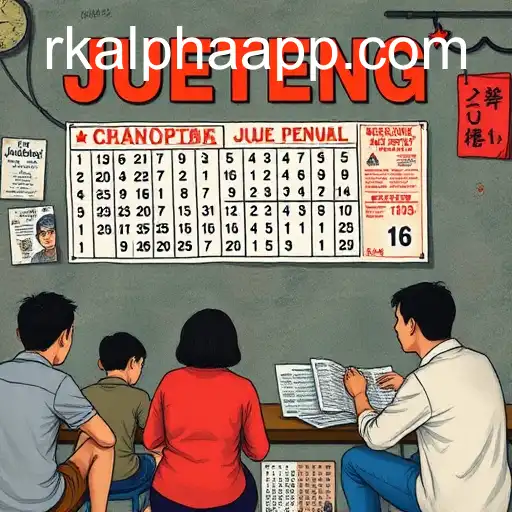
Understanding Jueteng: A Cultural Phenomenon
Jueteng, an illegal numbers game, has pervaded the socio-cultural landscape of the Philippines for decades. Despite numerous government crackdowns, its allure persists, drawing a wide range of participants across different regions. Unlike legitimate lotteries, Jueteng thrives in the shadows, operating through clandestine networks that challenge law enforcement agencies.
While often portrayed as a simple game of chance, Jueteng is deeply embedded in the fabric of Filipino society. It offers both a sense of excitement and a glimmer of hope to many who are caught in the cycle of poverty. For some, it's a daily ritual, akin to a community event where people gather, bond, and discuss their dreams of a windfall that could change their lives overnight.
The Mechanics of the Game
At its core, Jueteng is a numbers game involving a simple betting system. Players select a combination of numbers from 1 to 37 and place their bets with a kubrador, or bet collector. Winning numbers are drawn through a manual process involving two sets of balls, and the prizes can vary depending on the total wagers collected.
The simplicity of the game contrasts sharply with its operational complexity. At the top of the hierarchy are the financiers, or the grands, who bankroll the entire operation. Below them are the controllers or kapitana, who coordinate the kubradors and ensure smooth operations. This multi-tiered structure illustrates Jueteng's resilience in the face of legal opposition.
The Intriguing Element of 'rkalpha'
As Jueteng's operations evolve, so do the strategies employed by its masterminds. One such strategy involves the mysterious term 'rkalpha'. While the exact meaning of the term remains elusive, some experts suggest it could be a code or an alias used within the Jueteng syndicates.
The role of 'rkalpha' has sparked interest among law enforcers striving to decipher its significance. Could it be a digital strategy for evading authorities? Or perhaps a marker indicating shifts in the betting trends? While answers are elusive, the ongoing investigation reflects the modern challenges faced by law enforcement in dealing with clandestine operations.
The Legal Implications and Challenges
The existence of Jueteng presents a multitude of legal challenges. Its widespread popularity forces local officials to navigate a moral labyrinth, balancing between enforcement and passive tolerance, often influenced by electoral considerations.
On one hand, strict enforcement could lead to public unrest, given Jueteng's deep roots in certain communities. On the other, turning a blind eye undermines the rule of law, potentially fostering corruption within the ranks of both the government and local law enforcement agencies. This delicate balancing act has contributed to Jueteng's longevity as a staple, albeit illegal, part of Filipino life.
Socio-Economic Impact
More than just an illegal activity, Jueteng also has a significant impact on local economies. The flow of money within this underground market is substantial, providing monetary rewards for winners and livelihoods for those involved in its operation. However, it also perpetuates a cycle of dependency and false hope among bettors.
Experts argue that Jueteng exploits the economic vulnerability of communities where opportunities for social mobility are scarce. It fuels aspirations of wealth but often results in financial ruin for many participants who invest scant resources in the hope of striking it rich. This economic dynamic underscores the enduring allure and controversial nature of Jueteng.
Potential Solutions and Future Considerations
Despite numerous attempts to eradicate it, Jueteng remains deeply enmeshed in Filipino culture. The prospects of completely dismantling it seem daunting. Some propose the idea of legalizing it, transforming Jueteng into a regulated activity that could contribute to local economies through taxes and funding for community projects.
Moreover, understanding and potentially integrating elements like 'rkalpha' into a legal framework could provide new insights into managing and possibly transforming this underground venture. However, any potential solution would require a multifaceted approach, integrating socio-economic initiatives with robust legal frameworks.
Conclusion
Jueteng's existence reflects the complexities of Filipino society, where cultural traditions, economic hardships, and the lure of chance intersect. While the road to resolving the issues around Jueteng, including mysterious elements like 'rkalpha', remains fraught with challenges, it offers an opportunity for dialogue and reflection on the broader socio-economic conditions that foster such clandestine activities.